
Start with the product, not the machine size
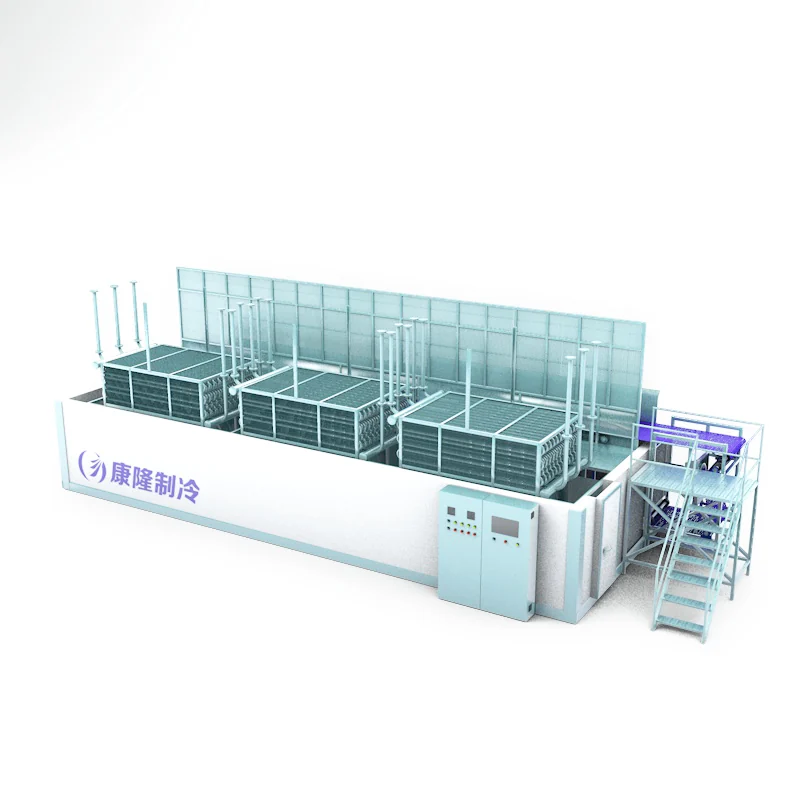
A fluidized bed IQF freezer is selected around the product's shape, moisture, bulk density and target outlet temperature. Peas, diced vegetables, berries and small seafood products can use fluidized freezing, but airflow and residence time must be matched to the actual product.
Always provide the product name, piece dimensions, hourly output and inlet temperature before comparing capacity figures.
Which products are suitable?
Fluidized freezing is best suited to small or medium individual pieces that can be lifted and separated by upward cold airflow. Typical applications include peas, corn, broccoli florets, diced vegetables, strawberries, mango pieces, shrimp meat and selected potato products.
Large whole fish, thick meat cuts and products that tangle easily may require tunnel, spiral or another freezer configuration instead.
Key parameters for selection
Capacity must be stated for a specific product because 500 kg/h of peas is not the same freezing duty as 500 kg/h of shrimp. Product size, inlet temperature, target core temperature, layer thickness, belt speed and available refrigeration capacity all affect the result.
Confirm the available floor dimensions, ceiling height, power supply, refrigerant compatibility and access for installation before finalizing the equipment layout.
- Target capacity in kg/h for each product
- Minimum and maximum piece size
- Product inlet and required core outlet temperature
- Refrigeration system and utility conditions
- Available footprint and cleaning access
Why upstream dewatering matters
A fluidized freezer sits at the end of a process line. Washing, blanching, cooling and dewatering influence how evenly the product enters the freezing room. Excess surface water can increase clumping, frost and refrigeration load.
For vegetable projects, a typical sequence includes washing, sorting, blanching where required, cooling, dewatering and even distribution before IQF freezing.
1 t/h and 4 t/h projects
Choosing between a 1 t/h and 4 t/h freezer changes more than belt length. Refrigeration plant capacity, defrost planning, fan power, utility demand, upstream equipment and factory layout must all scale together.
A complete process basis gives the engineering team a better foundation for a quotation than a capacity number alone.
What to include in an inquiry
For an accurate proposal, prepare the product name and condition, target capacity, piece size, inlet and outlet temperatures, site location, available utilities, floor space and the required upstream process. Product photos or samples are also useful when the product is new or changes seasonally.
Need help matching the equipment?
Share your product, capacity and target process. Our team can suggest the next technical step.
Send an inquiry